DevOps Foundations
CI/CD, Docker, Kubernetes, AWS & Infrastructure as Code — Modern DevOps with AI-Powered Automation
5 Months
4 Hours
Course Incharge
Muzammil Bilwani
📋 Prerequisites
✓ Basic command line and Git familiarity. Backend Development with Node.js recommended as prior course.
📖 Course Description
A comprehensive introduction to modern DevOps practices — containerization, orchestration, cloud deployment, infrastructure as code, and CI/CD pipelines. Students learn Docker, Kubernetes, AWS core services, Terraform basics, and monitoring, while using AI tools to generate pipeline configs, Dockerfiles, and infrastructure scripts, finishing with a fully automated, monitored, AI-assisted deployment pipeline.
What You Will Learn
Understand DevOps culture and the software delivery lifecycle
Use Git/GitHub workflows for team collaboration
Containerize applications using Docker and Docker Compose
Understand Kubernetes for container orchestration
Deploy applications to the cloud using core AWS services
Build CI/CD pipelines with GitHub Actions
Use Infrastructure as Code (Terraform) basics
Implement monitoring, logging, and observability
Use AI tools to generate and troubleshoot Dockerfiles, YAML configs, and IaC scripts
Deploy a fully automated, AI-assisted CI/CD pipeline for a real application
Course Outline
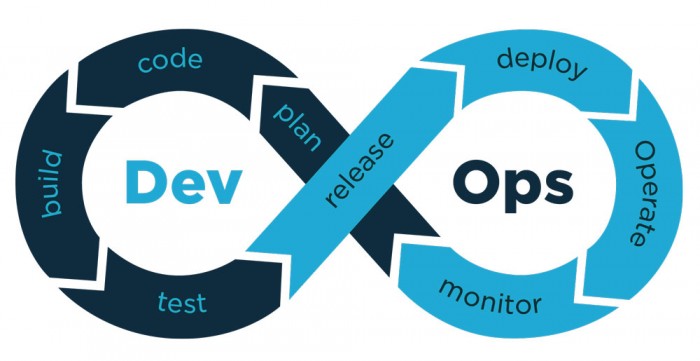
Introduction to DevOps
- →DevOps principles, culture, and the software delivery lifecycle
- →Understanding the gap DevOps bridges between dev and ops
- →Overview of the DevOps toolchain
- →Hands-on: Map out a software delivery pipeline for a sample project
Version Control Workflows for Teams
- →Git branching strategies (GitFlow, trunk-based development)
- →Pull requests, code reviews, and merge conflict resolution
- →GitHub collaboration features (Issues, Projects)
- →Hands-on: Set up a GitHub repo with a proper branching and PR workflow
Linux and Command Line Essentials
- →Linux fundamentals for DevOps engineers
- →Essential shell commands and scripting basics
- →Managing processes, permissions, and environment variables
- →Hands-on: Write a basic shell script to automate a repetitive task
Docker Fundamentals
- →Containers vs. virtual machines
- →Docker images, containers, and the Docker CLI
- →Writing Dockerfiles
- →Hands-on: Containerize a sample web application
Docker Compose and Multi-Container Apps
- →Docker Compose fundamentals
- →Networking and volumes in Docker
- →Managing multi-service applications (app + database)
- →Hands-on: Set up a multi-container app with Docker Compose
Introduction to Kubernetes
- →Kubernetes architecture — pods, nodes, clusters
- →Deployments, services, and replica sets
- →Setting up a local Kubernetes cluster (Minikube/Kind)
- →Hands-on: Deploy a containerized app to a local Kubernetes cluster
Kubernetes in Depth
- →ConfigMaps, secrets, and environment configuration
- →Scaling applications and rolling updates
- →Ingress and exposing services
- →Hands-on: Scale and update a deployed application in Kubernetes
Introduction to AWS Cloud
- →AWS core concepts — regions, availability zones, IAM
- →EC2 for virtual servers; S3 for storage
- →AWS free tier setup and cost awareness
- →Hands-on: Launch and configure an EC2 instance
AWS for Application Hosting
- →Deploying applications on AWS (EC2, Elastic Beanstalk basics)
- →AWS RDS for managed databases
- →Load balancing and basic networking (VPC concepts)
- →Hands-on: Deploy a full application stack on AWS
Introduction to CI/CD
- →CI/CD concepts — continuous integration, delivery, deployment
- →GitHub Actions fundamentals — workflows, jobs, steps
- →Building a basic CI pipeline (lint, test, build)
- →Hands-on: Set up a CI pipeline that runs tests on every push
Building CD Pipelines
- →Extending CI into CD — automated deployment steps
- →Managing secrets and environment variables in pipelines
- →Deployment strategies (blue-green, rolling)
- →Hands-on: Automate deployment of your app via GitHub Actions
AI-Assisted Pipeline and Config Generation
- →Using AI tools to generate and debug YAML configs and Dockerfiles
- →AI-assisted troubleshooting of pipeline failures
- →Prompting strategies for infrastructure-related tasks
- →Hands-on: Use AI to build and fix a CI/CD pipeline configuration
Introduction to Infrastructure as Code
- →What is Infrastructure as Code? Why it matters
- →Terraform fundamentals — providers, resources, state
- →Writing a basic Terraform configuration
- →Hands-on: Provision a simple cloud resource using Terraform
Infrastructure as Code in Practice
- →Terraform modules and reusable infrastructure
- →Managing state and avoiding common pitfalls
- →Using AI to generate and review Terraform scripts
- →Hands-on: Build a small multi-resource infrastructure setup with Terraform
Monitoring, Logging, and Observability
- →Why monitoring matters — metrics, logs, traces
- →Introduction to monitoring tools (CloudWatch, Prometheus/Grafana basics)
- →Setting up alerts for application health
- →Hands-on: Add basic monitoring and alerting to your deployed application
Serverless and Security Basics
- →Introduction to serverless computing (AWS Lambda)
- →DevOps security basics — secrets management, least privilege
- →Cost optimization awareness
- →Hands-on: Deploy a simple serverless function
Capstone Project — Build
- →Planning a complete CI/CD and infrastructure setup for a sample application
- →Building the pipeline, containerization, and infrastructure
- →Using AI tools throughout the build
- →Hands-on: Build the majority of the capstone pipeline and infrastructure
Capstone Project — Deployment and Presentation
- →Final testing of the full pipeline end-to-end
- →Monitoring setup and documentation
- →Capstone: Deploy a complete application with a fully automated, AI-assisted CI/CD pipeline and monitored infrastructure
- →Course wrap-up and next steps
Grading Criteria
Ready to Register in This Course?
Join thousands of students who have transformed their careers. Start your journey today!